It seems like a good time to remember once again the winters of Yore…*


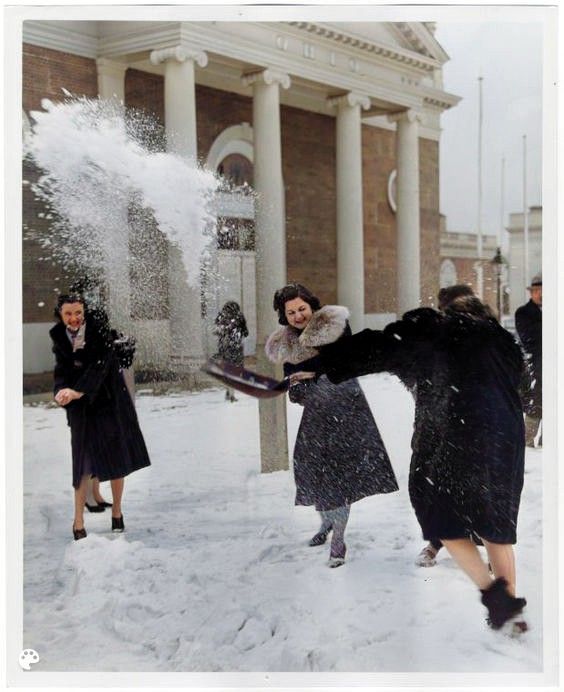

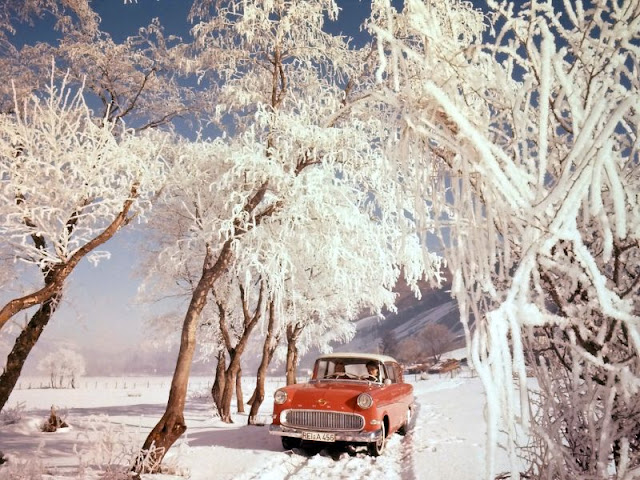


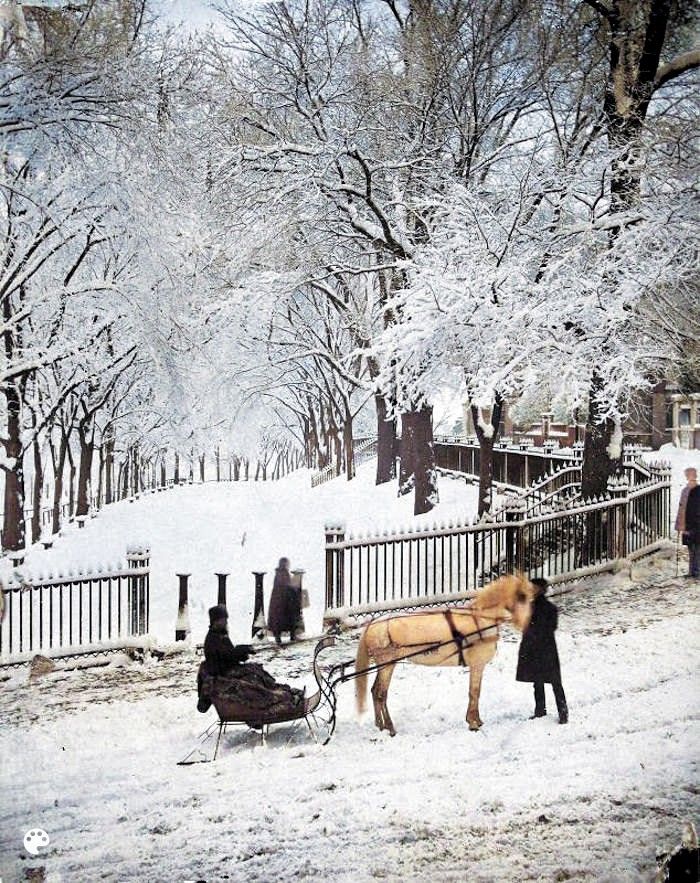


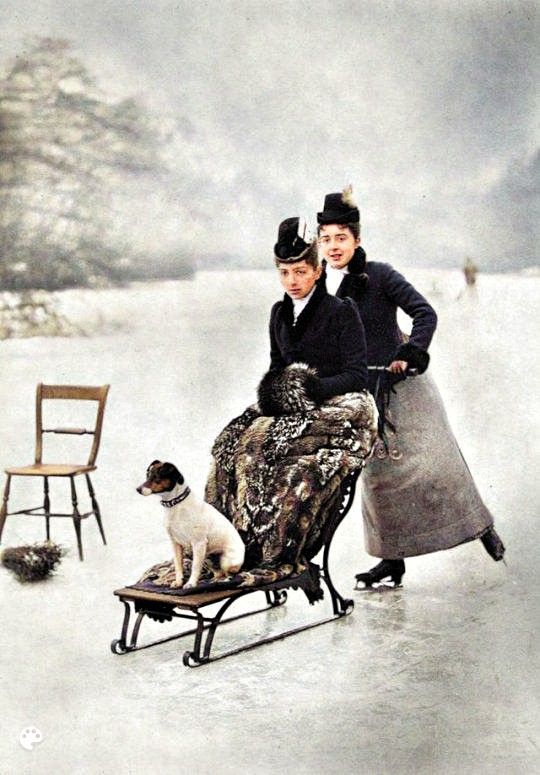


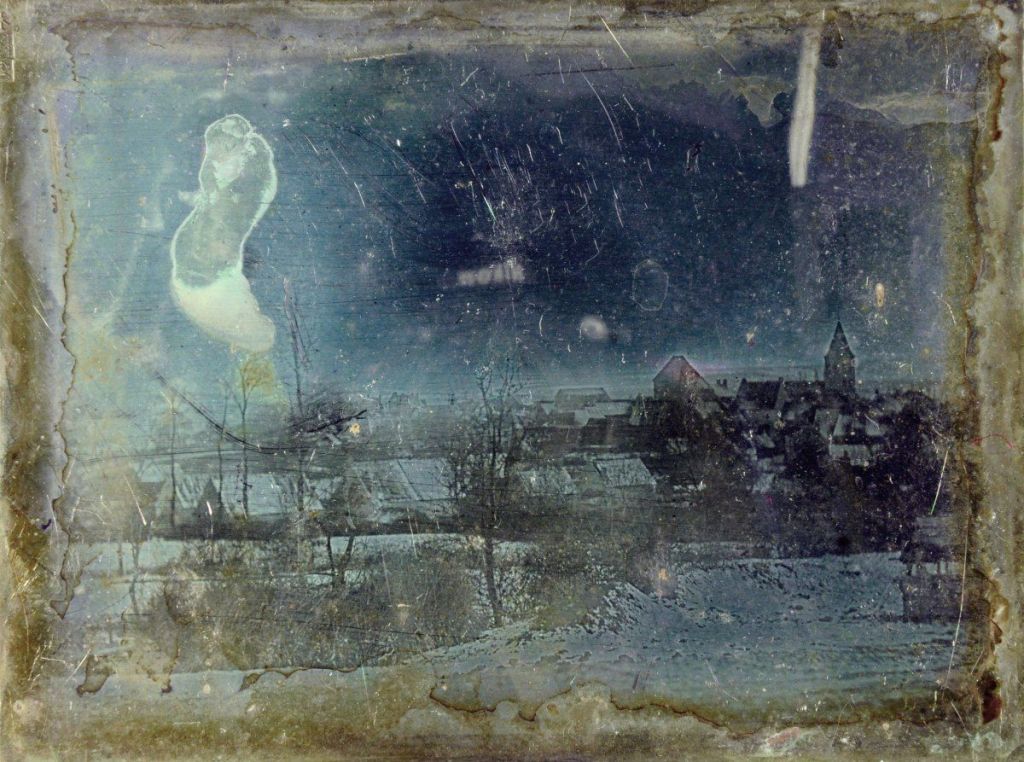
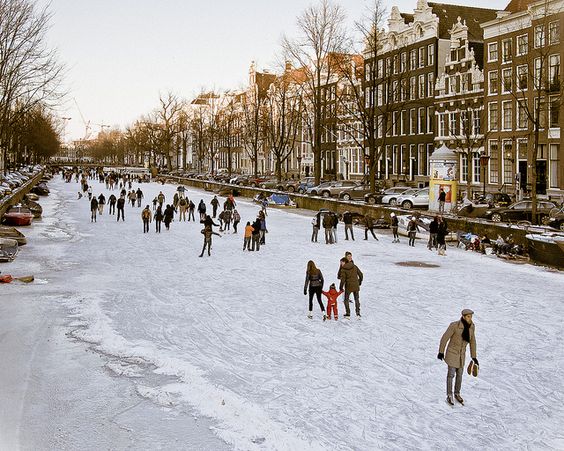
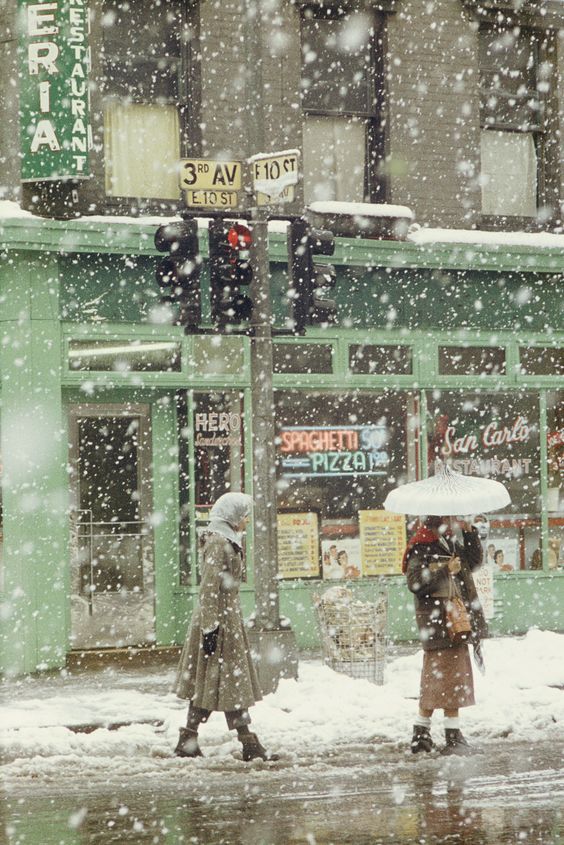

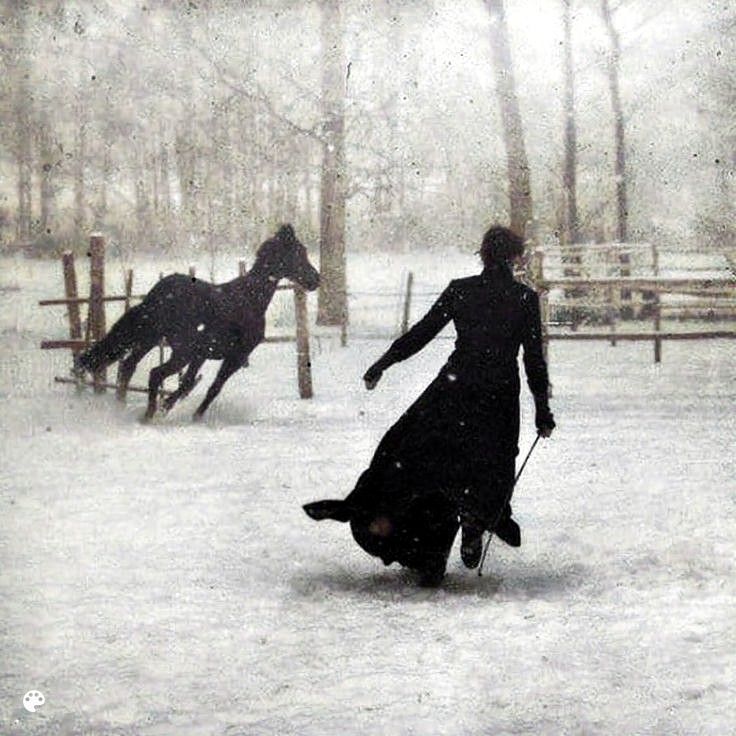
*All black and white images were colorized.
Ω
It seems like a good time to remember once again the winters of Yore…*
*All black and white images were colorized.
Ω
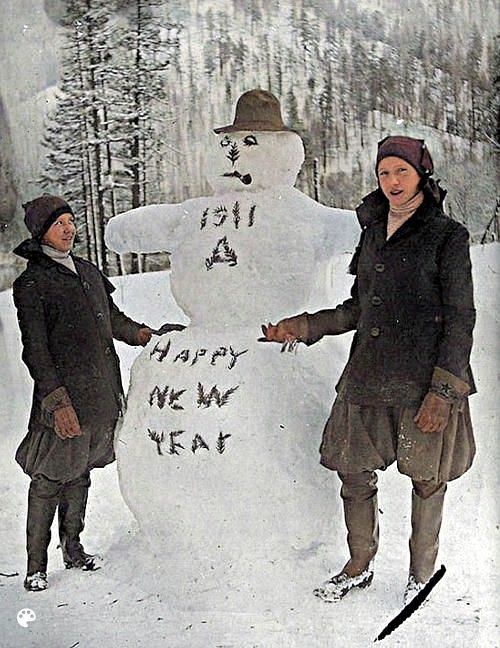
Last week, a storm brought 10 inches of snow to Western Maryland and turned my mind to snowmen of old.

In all probabilty, humans have sculpted snowmen for millenia. In 2007, Bob Eckstein, the author of The History of the Snowman: From the Ice Age to the Flea Market, told NPR that in writing his book, “I wanted to make it clear that snowman-making actually was a form of folk art. Man was making folk art like this for ages, and…maybe it’s one of man’s oldest forms of art…. [T]he further back you go, you find that people were really fascinated with snowmen.”
Eckstein says that building snowmen was “a very popular activity in the Middle Ages…after a snow came down and dumped all these free-art supplies in front of everyone’s house.” The earliest known representation of a snowman dates to that era, drawn in a 1380 A.D. Book of Hours. A century later, in 1494, Michelangelo was commissioned by Piero di Lorenzo de’ Medici, the Gran Maestro of Florence, to practice his art with snow. According to art historian Giorgio Vasari, “de’ Medici had him make in his courtyard a statue of snow, which was very beautiful.” Sadly, no one drew it for posterity.
In 1510, a Florentine apothecary, Lucas Landucci confided in his diary that he had seen “a number of the most beautiful snow-lions, as well as many nude figures…made also by good masters.” Another notable snowmen outbreak occurred just a year later, when folk in Brussels built more than 100 of them “in a public art installation known as the Miracle of 1511,” notes Atlas Obscura. “Their snowmen embodied a dissatisfaction with the political climate, not to mention the six weeks of below-freezing weather. The Belgians rendered their anxieties into tangible, life-like models: a defecating demon, a humiliated king, and womenfolk getting buggered six ways to Sunday. Besides your typical sexually graphic and politically riled caricatures, the Belgian snowmen, Eckstein discovered, were often parodies of folklore figures, such as mermaids, unicorns, and village idiots.”

“Oh the weather outside is frightful
But the fire is so delightful
And since we’ve no place to go
Let it snow! Let it snow! Let it snow!”

“It doesn’t show signs of stopping
And I’ve bought some corn for popping
The lights are turned way down low
Let it snow! Let It snow! Let it snow!”

“When we finally kiss good night
How I’ll hate going out in the storm!
But if you’ll really hold me tight
All the way home I’ll be warm…”
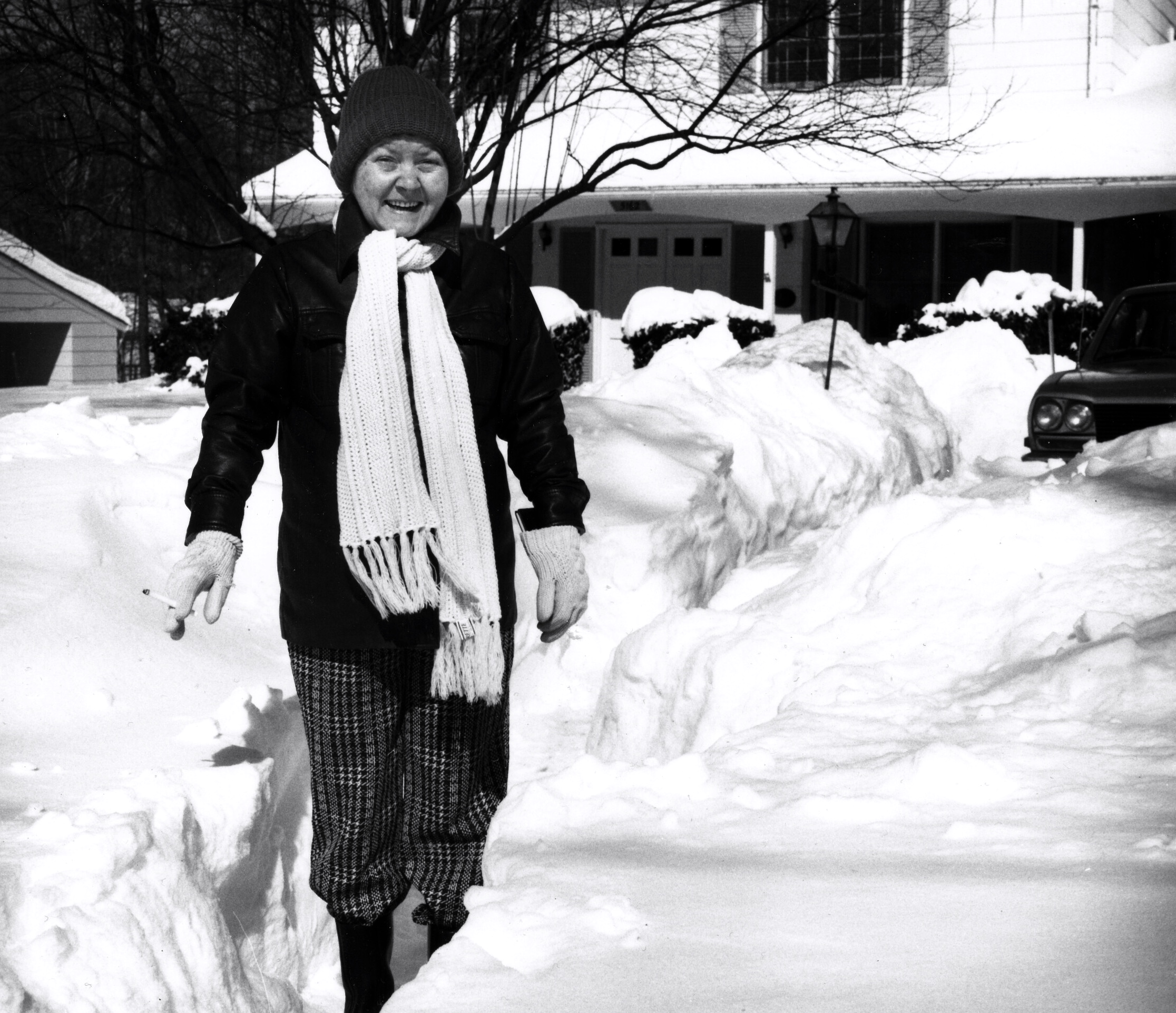
“The fire is slowly dying
And, my dear, we’re still goodbying
But as long as you love me so
Let it snow! Let it snow! Let it snow!” Ω
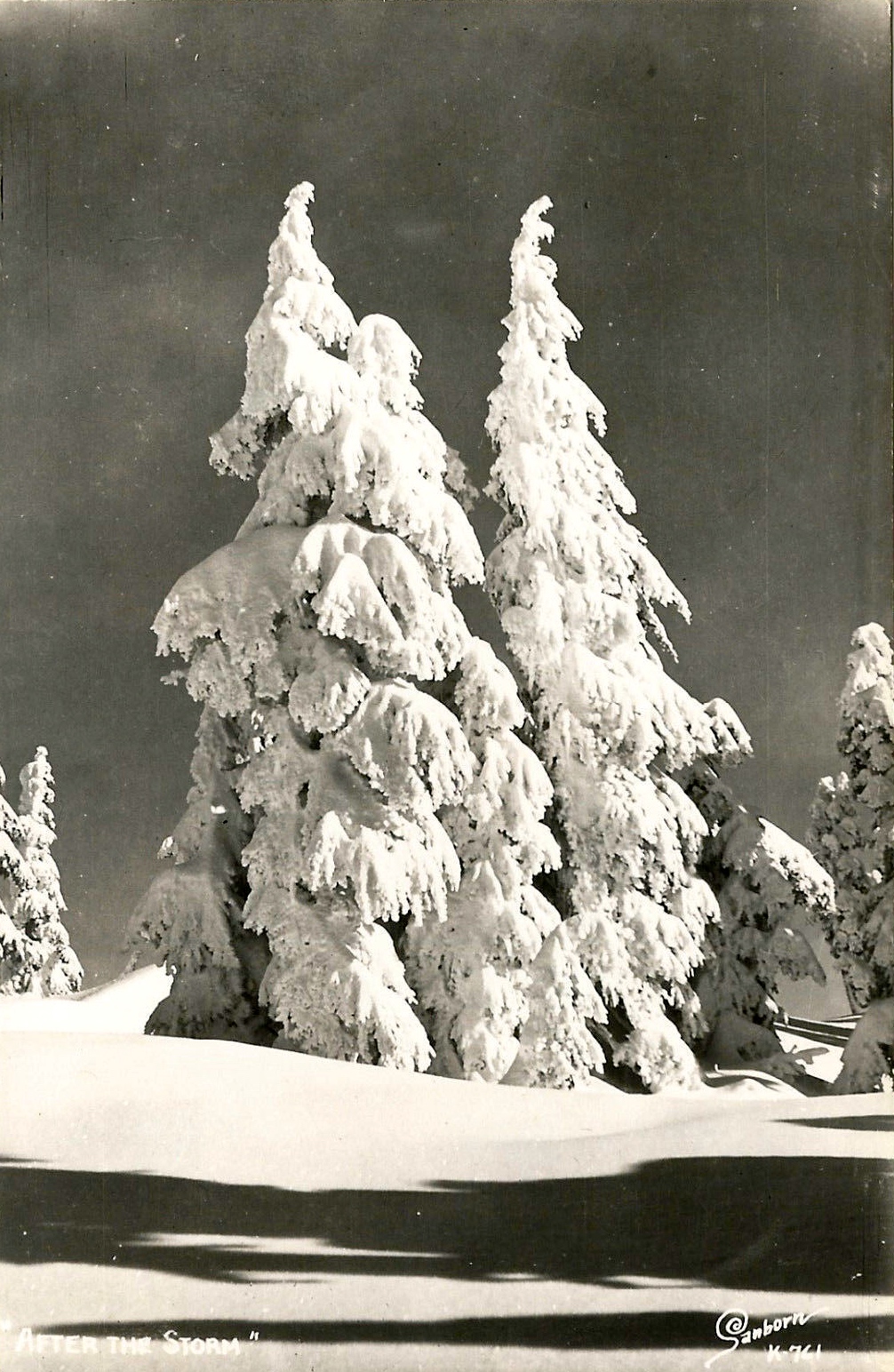
Words: Sammy Cahn; Images: Ann Longmore-Etheridge Collection.

“We were happy here
Even in the cold spells
Even with the roads
Like a frozen river
We would keep each other warm
And we were happy here
With the soup on the fire
And the wind in the chimney
And the floors too cold for bare feet…”
“And we were happy here
When the Spring broke the ice
And there were limbs to be cleared
And the melting snow
Let the pines spring back up
Toward the sky…”

“But we were happy here
With our simple life
It was our whole life
And we were happy here
Before the news came
That the world was small
And the roar was loud
And not quite so distant after all…”

“But we were happy here
When the cries of our babies
Were the only cries
And our bad moods
The only bad moods
Which we coaxed and stroked
Just like our own private fires.”

“But we were happy here
Before….” Ω
Words: “Private Fires” by Andreas Vollenweider. Images: Ann Longmore-Etheridge Collection.
 "Your Dying Charlotte"